
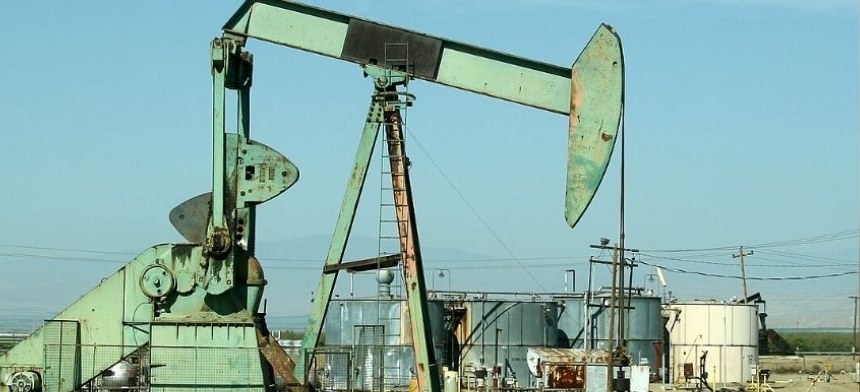
Energy (Renewable & Non-Renewable)
Severity risk deserves a deliberate program.
Industrial and energy-related businesses often operate where property, auto, product, environmental, contractual and severe liability exposures intersect.
These accounts require disciplined underwriting preparation and markets that understand the underlying operation.
The Duncan Group works to present the operation, its controls and its loss history in a form the specialized market can evaluate.
Practice areas
- Propane & Fuels
- Delivery operations, storage, transportation and customer-premises work with significant severity potential.
- Chemicals & Lubricants
- Product, handling, storage and transportation exposure with contractual and environmental considerations.
- Manufacturing & Distribution
- Property, equipment, business income, product liability and supply-chain dependency.
- Environmental & Industrial Services
- Waste, water and industrial service operations working on third-party sites under contract.
The risk environment
Severity, not frequency, usually defines these accounts. A single auto, product, fire or environmental event can exceed years of ordinary loss activity.
Work often occurs on customer premises and under contract, which means allocation of risk is negotiated long before a loss occurs.
Regulatory obligations, transportation requirements and emergency response capability are part of how the market evaluates the operation.
What we evaluate
A starting point for discovery. Not every item applies to every organization.
- Severe auto exposure
- Premises liability
- Products and completed operations
- Pollution and environmental exposure
- Property and equipment
- Transportation operations
- Contracts and risk allocation
- Workers' compensation
- Loss control programs
- Emergency response planning
- Regulatory exposure
- Business income and dependency
Common coverage areas
Lines frequently involved in these programs. Structure depends on the operation.
- Commercial property
- Business income and extra expense
- Equipment breakdown
- General liability and products
- Commercial auto
- Motor truck cargo
- Environmental and pollution liability
- Workers' compensation
- Umbrella and excess liability
- Cyber
Risk management
- Driver and delivery discipline
- Qualification standards, route practices, hours, training and post-incident procedures documented as controls.
- Emergency response
- Planning, drills and incident command capability influence both loss severity and market perception.
- Product and handling controls
- Procedures, labeling, training and documentation around how material is stored, transported and delivered.
- Contract review
- Indemnity and insurance requirements evaluated against the program that has to satisfy them, with legal review coordinated through qualified counsel.
Underwriting strategy
Specialized risk requires a specialized submission.
Markets that write these operations expect detail.
A stronger submission typically addresses:
The objective is to let the underwriter evaluate the operation rather than the category.
- What the operation actually does, step by step
- Where work is performed and under what contracts
- How drivers and equipment are managed
- What environmental controls and permits are in place
- What emergency response capability exists
- What corrective actions followed prior significant losses
Claims
Claims advocacy- Auto and transportation events are a leading severity driver in delivery-intensive operations.
- Environmental incidents can involve regulatory, cleanup and third-party dimensions simultaneously.
- Property and equipment losses frequently carry business income consequences that exceed the physical damage.
The Duncan Approach
The same discipline, applied to energy (renewable & non-renewable).
- 01
Understand
RiskDiagnostic
- 02
Map
Risk Mapping
- 03
Improve
RiskGuard
- 04
Position
Underwriting & Premium Negotiation Strategy
- 05
Transfer
Marketplace Execution
- 06
Manage
Ongoing Risk Management
Where we focus within this practice reflects what tends to matter most to the market and to the operation itself.
- Environmental and pollution risk
- Site conditions, transportation exposure and contractual obligations matched to the right pollution structures.
- Fleet and field operations
- Routing, driver qualification, hours and maintenance documented as controls rather than assumptions.
- Business interruption
- Values, dependency exposure and recovery timelines tested before a loss forces the analysis.
The Duncan Difference
Related RiskThoughts
Industry intelligence covering energy (renewable & non-renewable) is in preparation. RiskThoughts is our research and market-intelligence publication.
Visit RiskThoughtsOther practices
- Agribusiness, Farm & Ranch
- Animal Health & Veterinary Clinics
- Automotive Services, Garages & Mechanic Shops
- Aviation, Airports & Hangars
- Churches & Religious Organizations
- Construction & Surety
- Dealers, Distributors & Manufacturers
- Emergency Services & Public Safety
- Equine & Equibusiness
- Financial & Professional Services
- Food, Beverage & Retail
- Guides & Outfitters
- Healthcare, Senior Care & Human Services
- Non-Profits & Affinity Groups
- Propane, Fuels, Chemicals & Lubricants
- Public Sector, Municipal & Education
- Real Estate & Hospitality
- Stock Show, Fair & Rodeo
- Technology, Media, Entertainment & Telecom
- Transportation
- Waste, Water, Recycling & Environmental
- Wineries, Vineyards, Breweries & Distilleries
Speak with a risk advisor.
Tell us about the operation, the fleet, the contracts and how the current program is structured.